Wainscoting is a classic architectural feature that has adorned walls for centuries, bringing elegance, protection, and insulation to homes. What started as a practical necessity has evolved into a beloved design element — one that adds depth, texture, and a timeless quality to interiors of every style. After 20 years installing wainscoting across Toronto, Vaughan, Markham, Richmond Hill, Ajax, and Pickering, we’ve watched every style come back into fashion. Here’s how it got here.
The origins of wainscoting
The history of wainscoting dates back to the Middle Ages, when wooden paneling was used to insulate stone walls in castles and homes. The term “wainscot” comes from the Middle Dutch word wagenschot, referring to high-quality oak wood used for paneling. Originally, it was a functional solution for cold and damp interiors — an extra layer of warmth and protection against drafts.
In medieval times, wainscoting was crafted from solid wood, often carved with elaborate designs to showcase wealth and status. By the Renaissance, it had become more ornate, with intricate moldings and decorative carvings reflecting the architectural grandeur of the period. Wealthier homeowners used wainscoting to add sophistication to their interiors, while simpler designs remained practical for middle-class homes.
The 17th and 18th centuries
During the 17th and 18th centuries, wainscoting became an essential element in European and American homes. The materials expanded beyond oak to include pine and other readily available woods, making wainscoting more accessible. Paneling styles became more refined, and designers introduced new variations such as raised-panel wainscoting — a style that remains popular today.
In Colonial America, wainscoting was a hallmark of elegant homes, often painted white or in muted colors to complement the decor. It was commonly used in dining rooms, hallways, and parlors, providing both protection from furniture scuffs and an element of grandeur. By the late 18th century, the rise of wallpaper and painted walls led to a decline in wainscoting’s popularity, as homeowners sought more decorative alternatives.
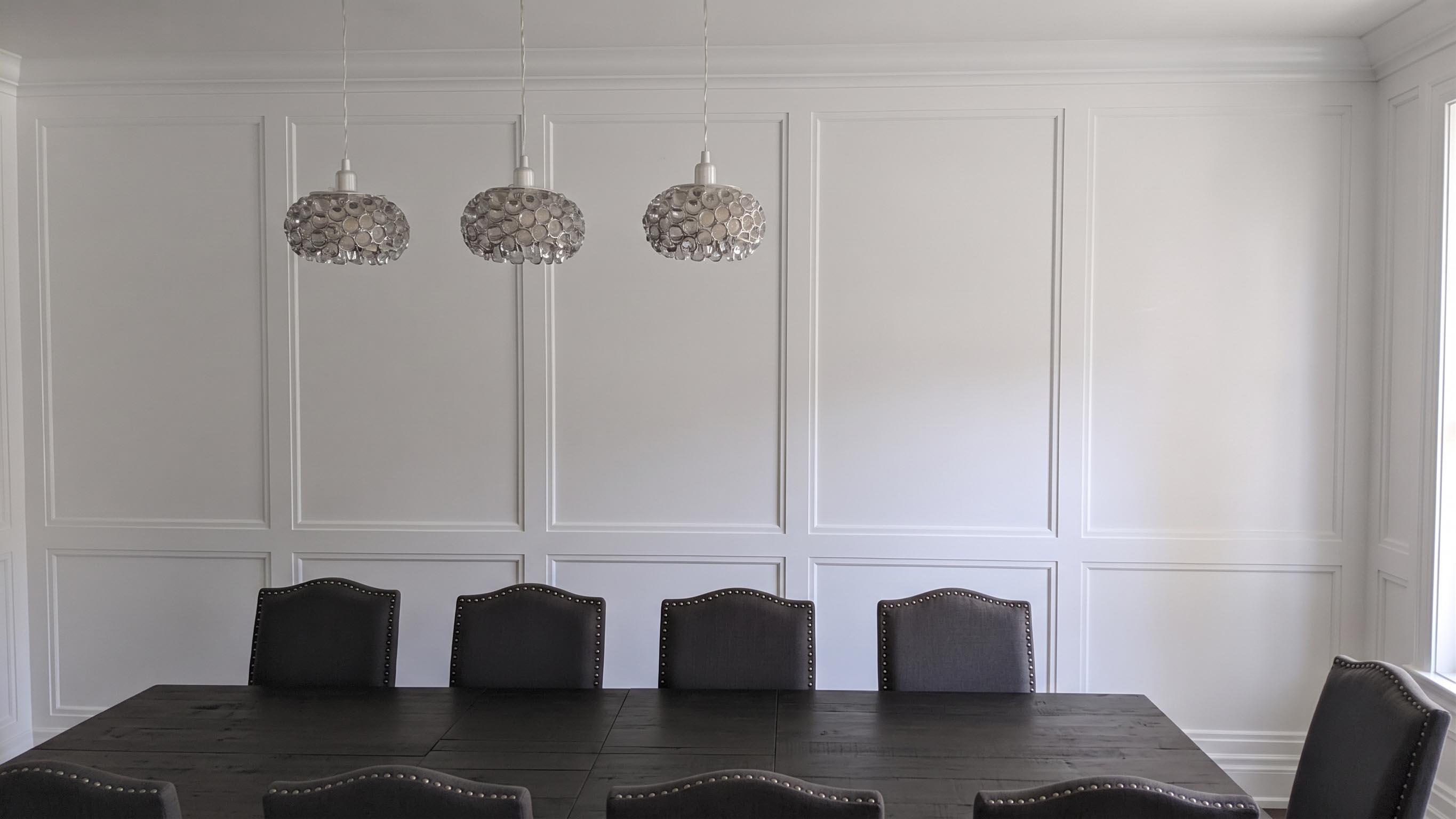
The 19th and 20th centuries: revival
Although wainscoting fell out of favor during the early 19th century, the Victorian era brought a revival. Victorian homes often featured beadboard wainscoting — a simpler, vertical design that complemented the highly detailed aesthetic of the time. It became a popular choice for kitchens and bathrooms, where it added both charm and functionality.
By the early 20th century, the Arts and Crafts movement embraced wainscoting as part of its commitment to handcrafted, high-quality craftsmanship. Designers such as Gustav Stickley incorporated wooden paneling into interiors, emphasizing natural materials and detailed workmanship. As mid-century modernism took hold, wainscoting was again overshadowed by sleek, minimalist designs — but it never truly disappeared.
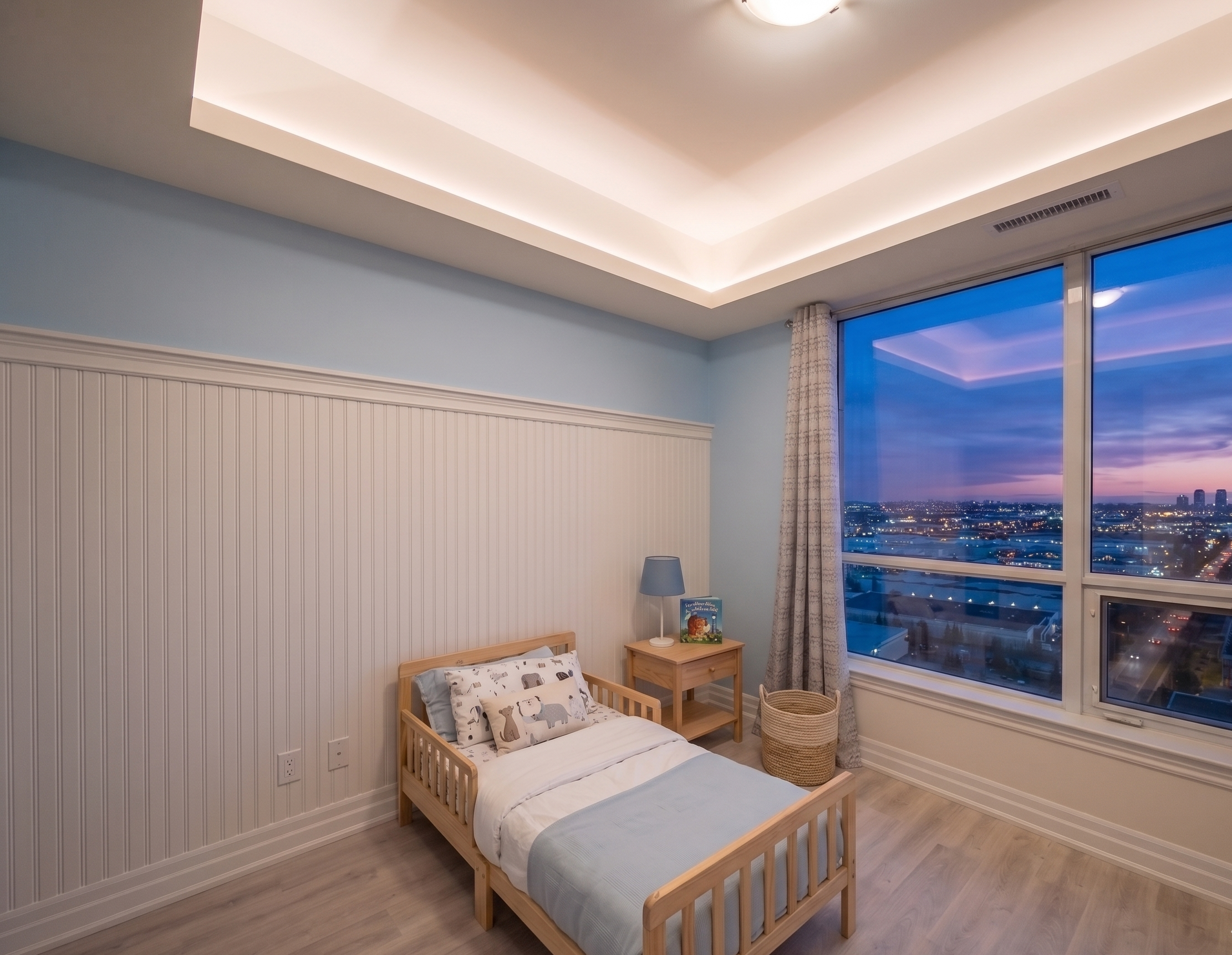
Wainscoting in modern homes
Despite its fluctuating popularity over the centuries, wainscoting has made a strong comeback in contemporary home design — especially in Toronto, Vaughan, and Markham custom builds. Today it’s appreciated not only for its historical charm but for the practical ways it enhances modern interiors.
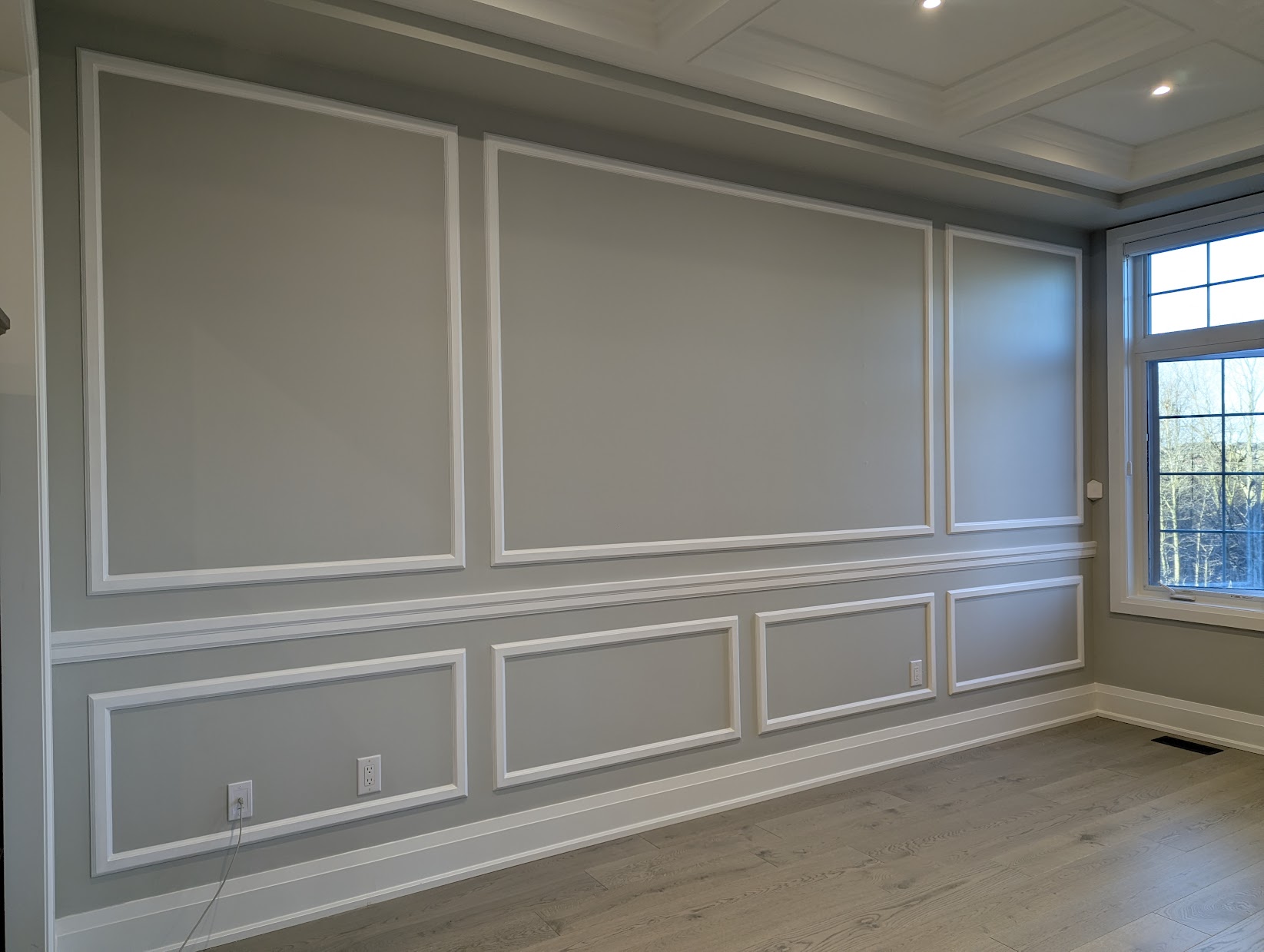
Adding architectural interest
Modern homes often feature clean lines and neutral palettes. Wainscoting introduces texture and dimension to walls without overwhelming a room. Whether in a formal dining area, a cozy living room, or a hallway, it creates visual interest and a refined atmosphere — common in newer Richmond Hill and Aurora builds where the architecture leans transitional.
Enhancing durability and protection
Just as it did centuries ago, wainscoting still protects walls from damage. High-traffic areas — entryways, hallways, staircases — benefit because it prevents scuffs, dents, and marks from furniture and daily wear. Especially useful in homes with children or pets.
Creating a timeless aesthetic
Wainscoting bridges traditional and modern styles, making it a versatile choice for contemporary interiors. The main style options:
- Beadboard wainscoting — classic choice for cottage, farmhouse, and coastal-style homes; narrow vertical planks that evoke a relaxed feel
- Raised panel wainscoting — more formal and sophisticated, often used in traditional and transitional interiors; adds elegance to dining rooms and studies
- Flat panel wainscoting — clean and simple, ideal for modern and minimalist spaces; sleek but still textured
- Board and batten wainscoting — popular in contemporary and farmhouse-style homes; wide vertical panels with battens that create a structured, geometric appeal
Customizing with colors and materials
While traditional wainscoting was made of wood, modern options include MDF, PVC, and even tile, allowing for far greater customization. Homeowners can experiment with colors beyond classic white — bold hues like navy blue, charcoal, or forest green create striking statements. Painting wainscoting the same color as the walls produces a seamless, modern look, while contrasting colors add dramatic flair.
Wainscoting in unexpected spaces
Beyond dining rooms and hallways, contemporary designers have found creative ways to use wainscoting throughout the home:
- Bathrooms — moisture-resistant beadboard or tile wainscoting adds charm and protects walls from humidity
- Bedrooms — wainscoting behind a bed serves as an alternative to a headboard, adding texture and warmth
- Home offices — raised or flat panel wainscoting creates a sophisticated backdrop for a workspace
- Ceilings — some modern homes use wainscoting on ceilings to enhance architectural detail and create a cozier ambiance
Final thoughts
From practical insulation to modern design statement, wainscoting has stood the test of time. Its ability to blend classic charm with contemporary aesthetics makes it a favorite among homeowners and designers alike. Whether you prefer traditional raised panels, relaxed beadboard, or sleek flat panels, wainscoting brings a sophisticated, enduring look that doesn’t go out of style.
If you’d like to add wainscoting to your home in Toronto, Vaughan, Markham, Richmond Hill, Ajax, Pickering, Oakville, or anywhere else in the GTA, or get more information about which style fits your space, contact us — we’ll help you design something timeless and quote the install with no obligation.
Related: Choosing wainscoting styles · 10 crown moulding ideas · Coffered vs waffle ceiling