What is crown moulding and why is it popular in Toronto & the GTA?+
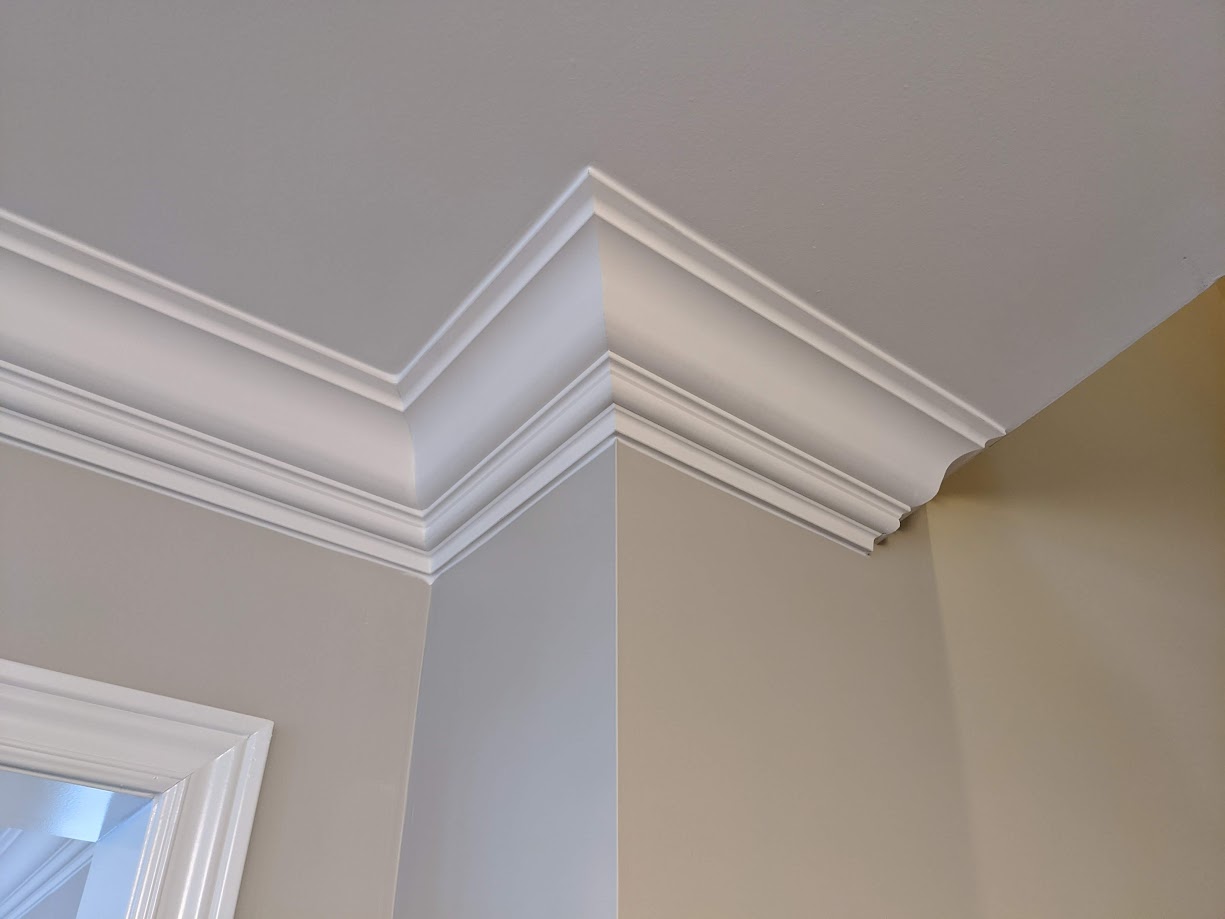
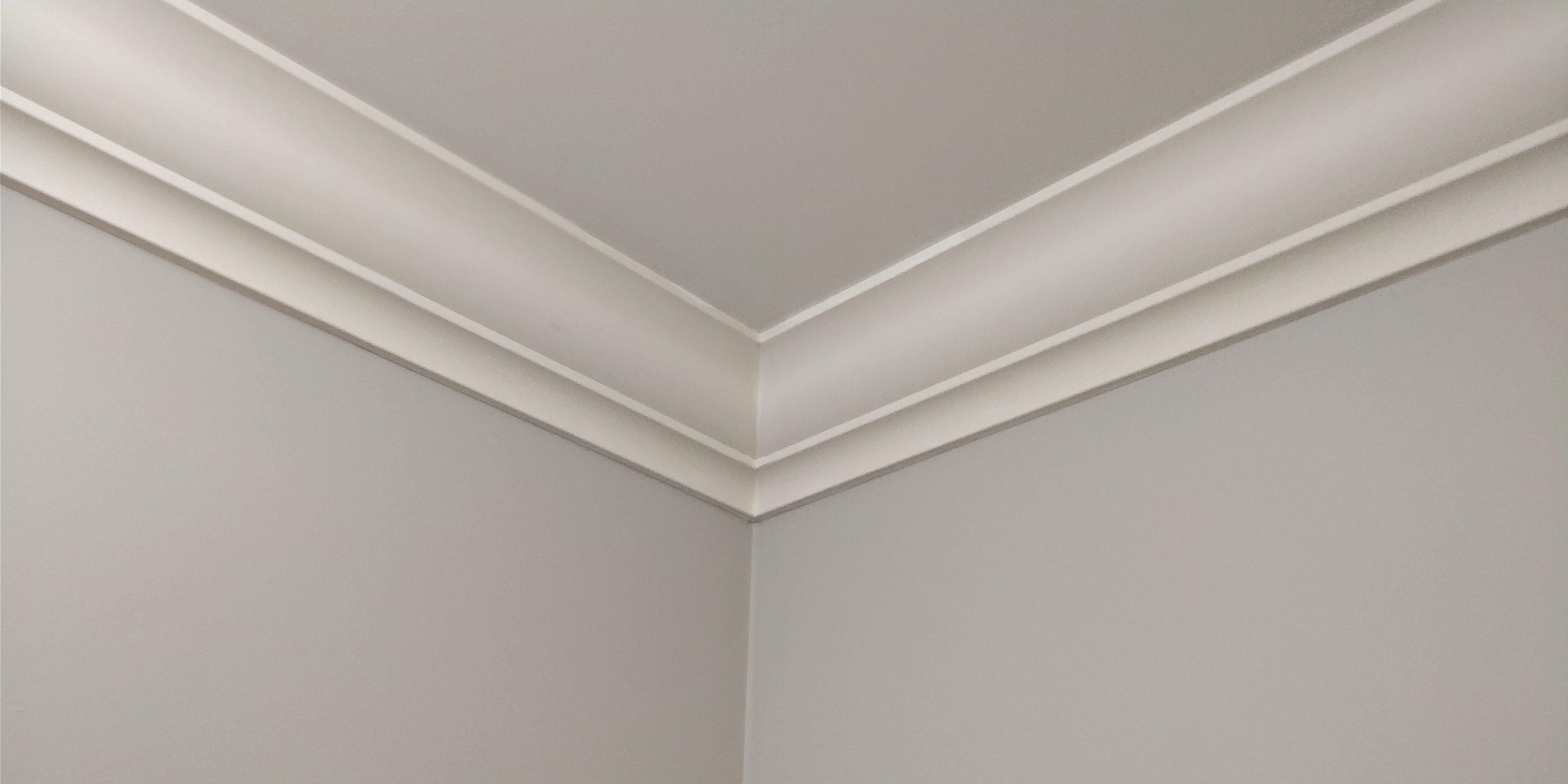
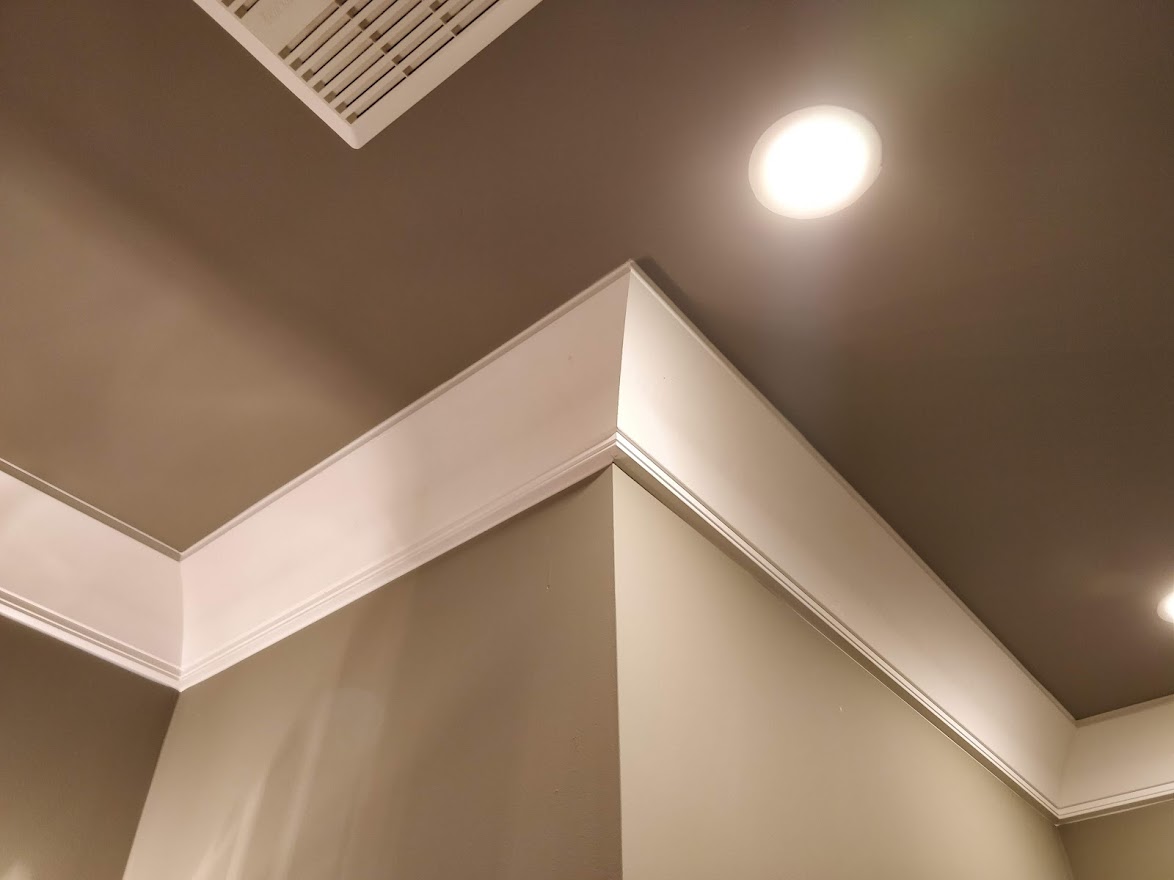
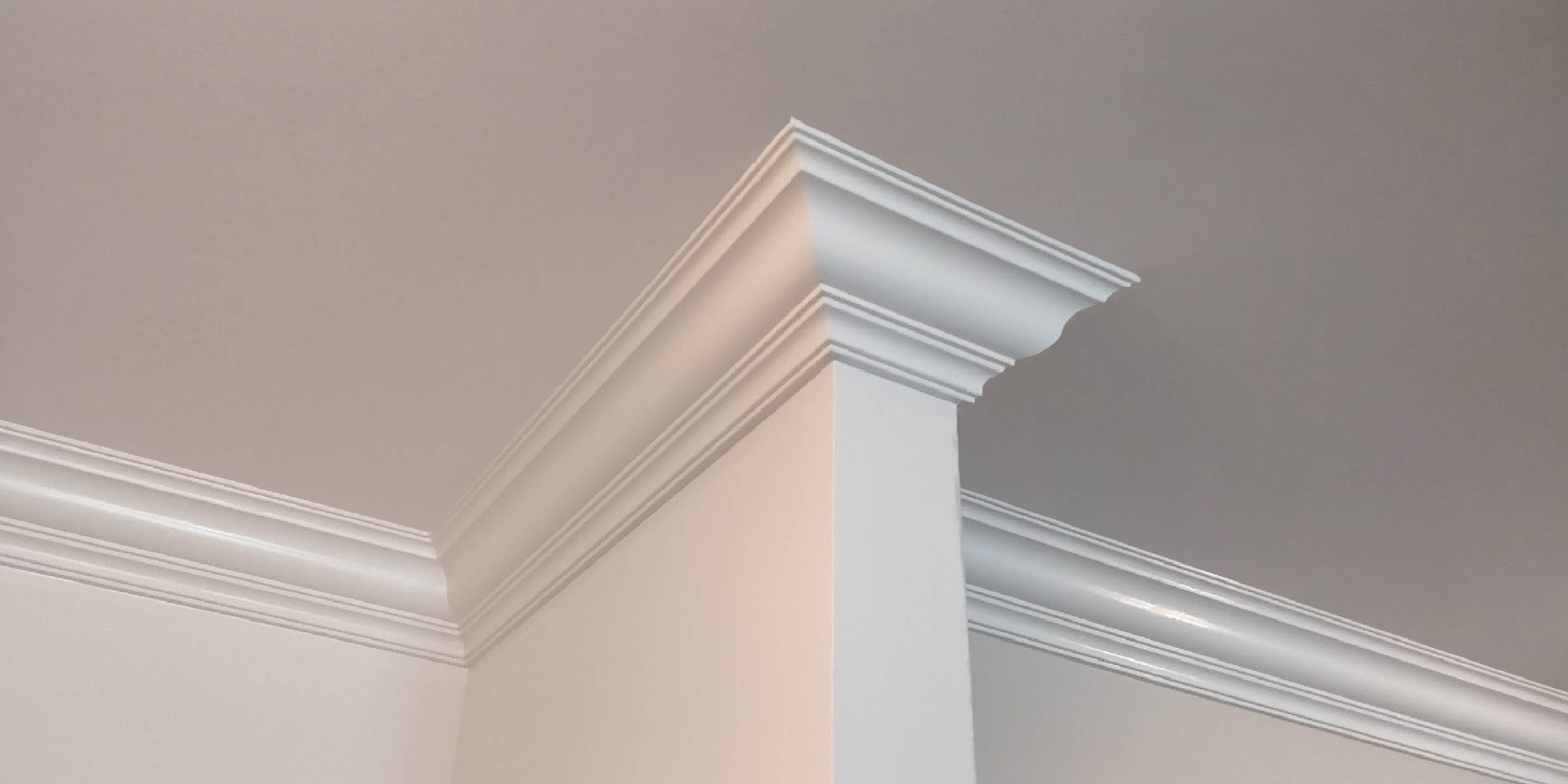
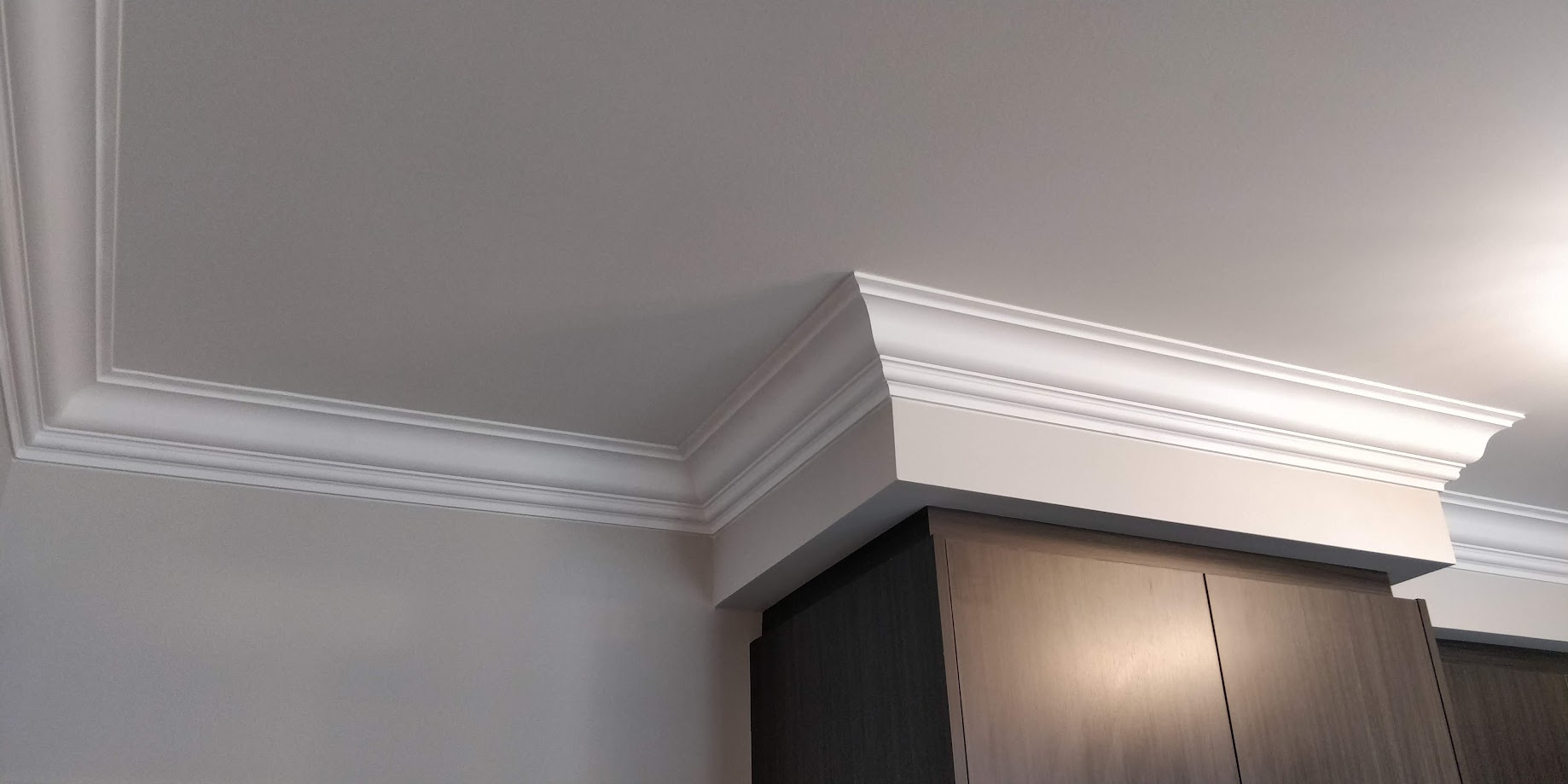
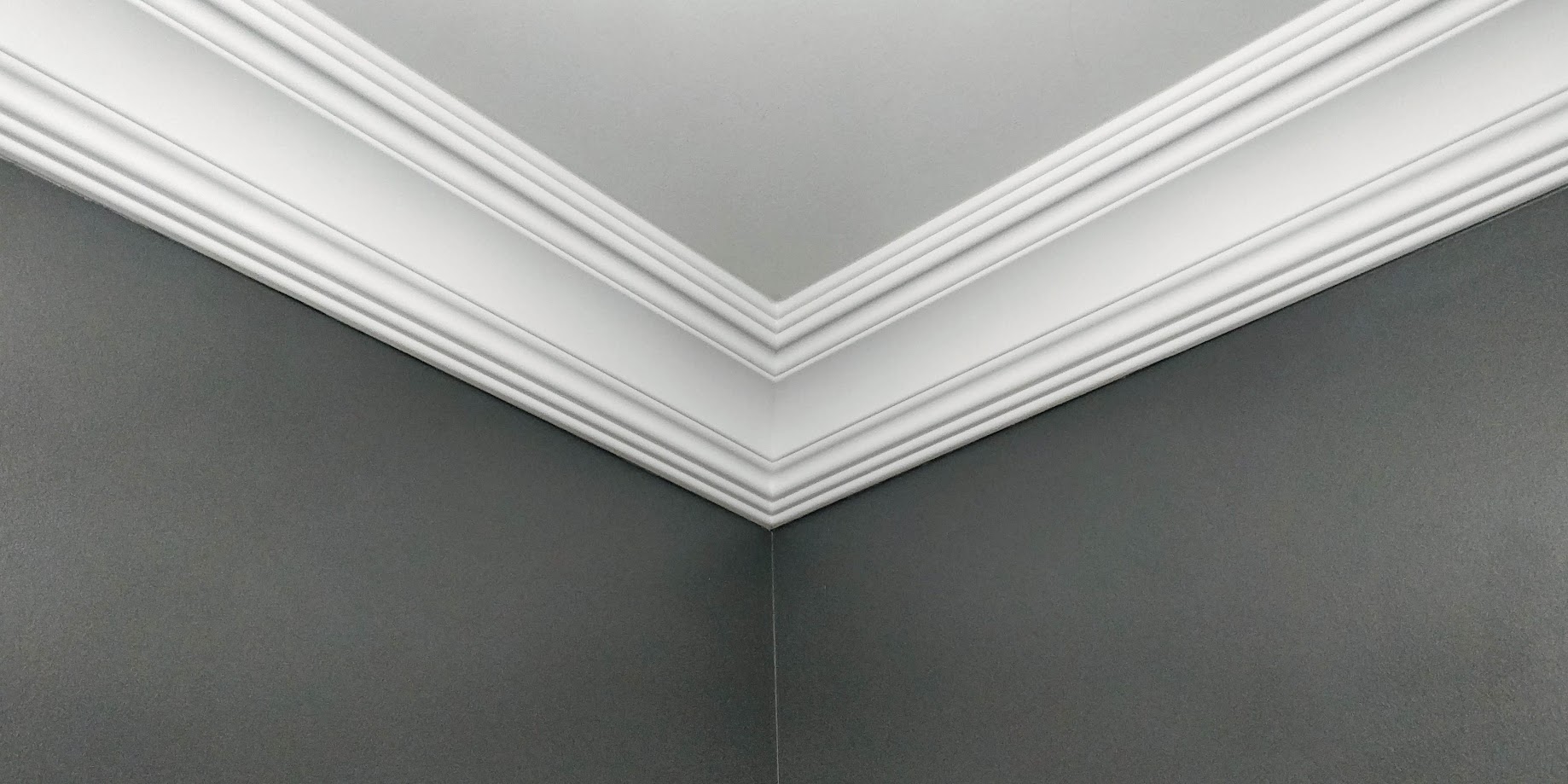
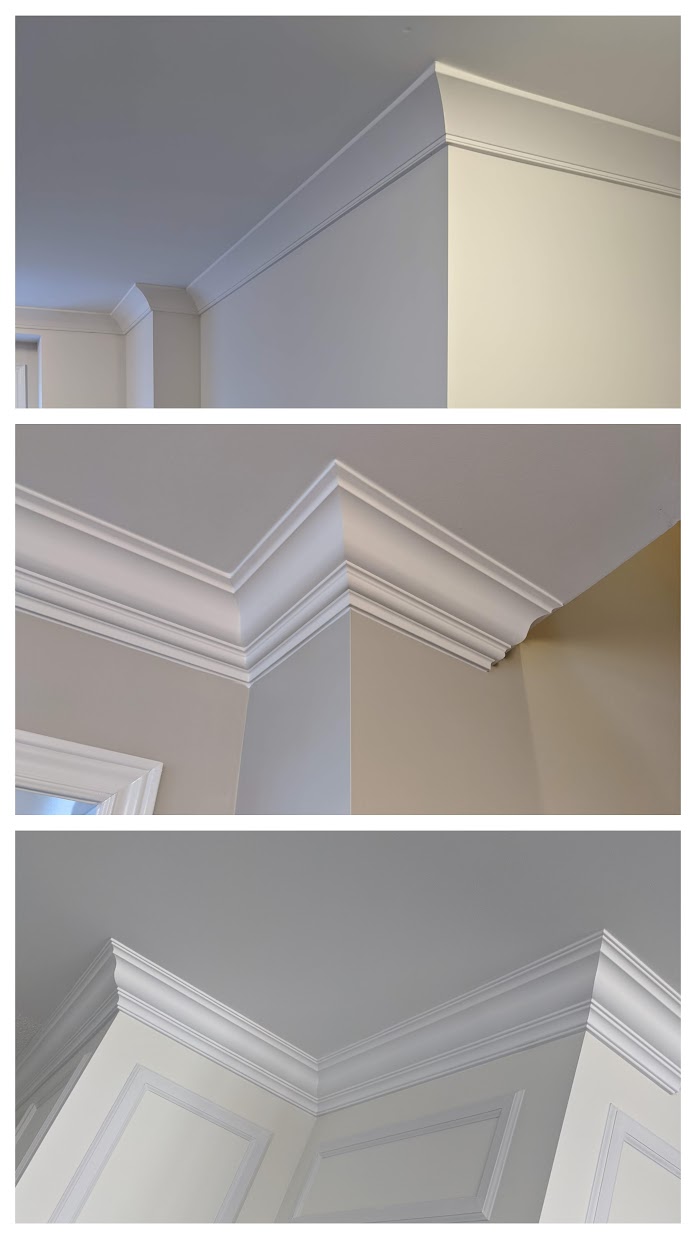
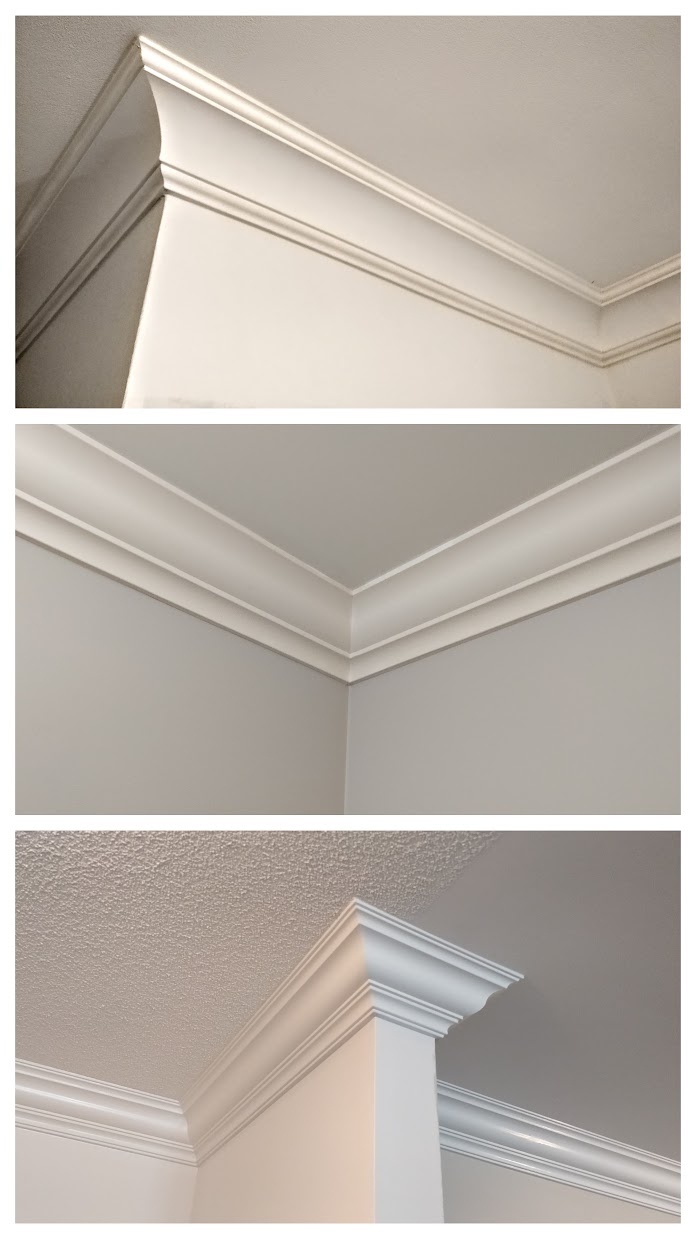
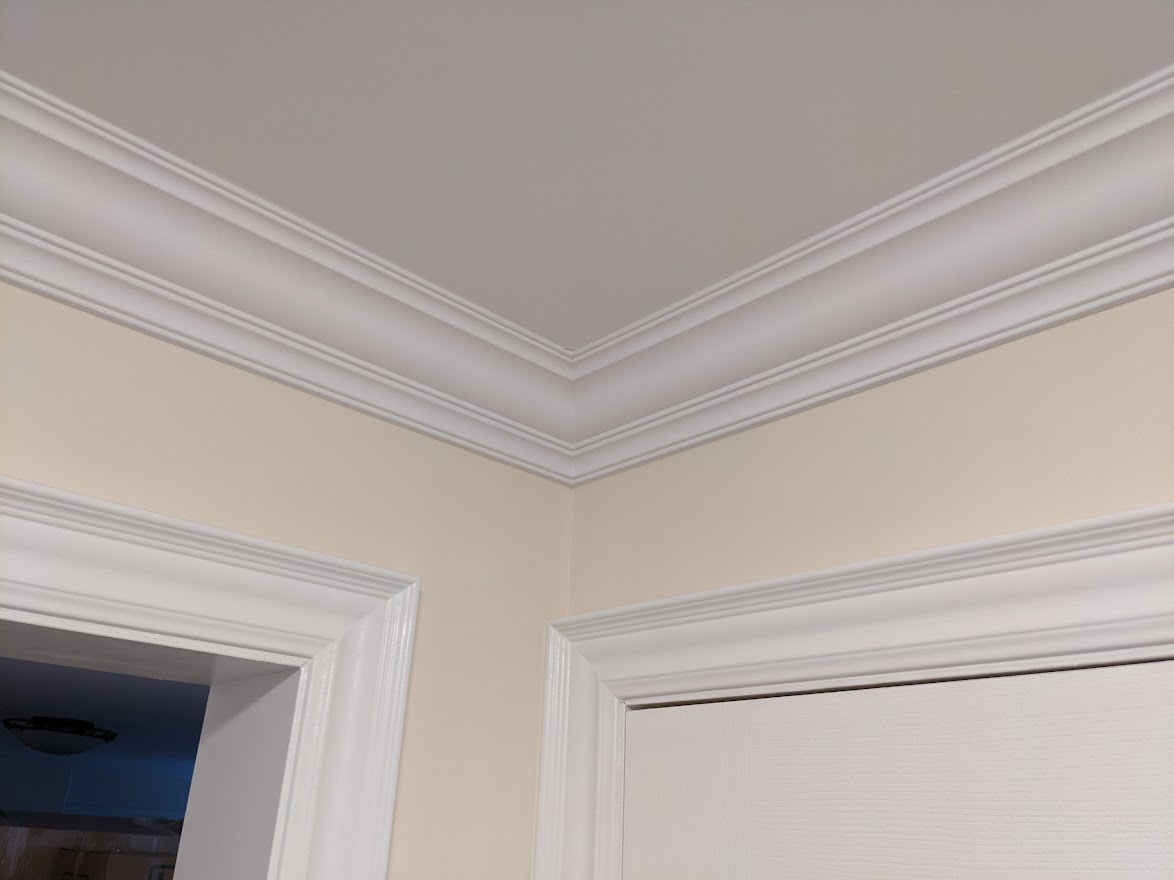
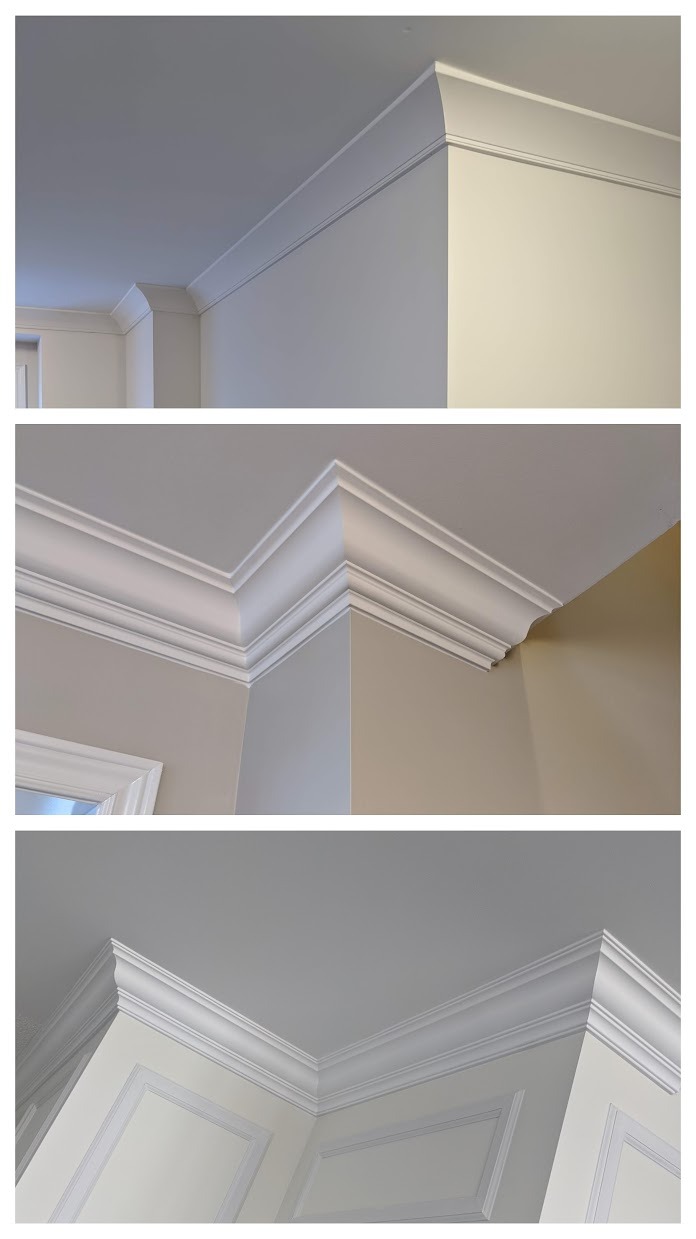
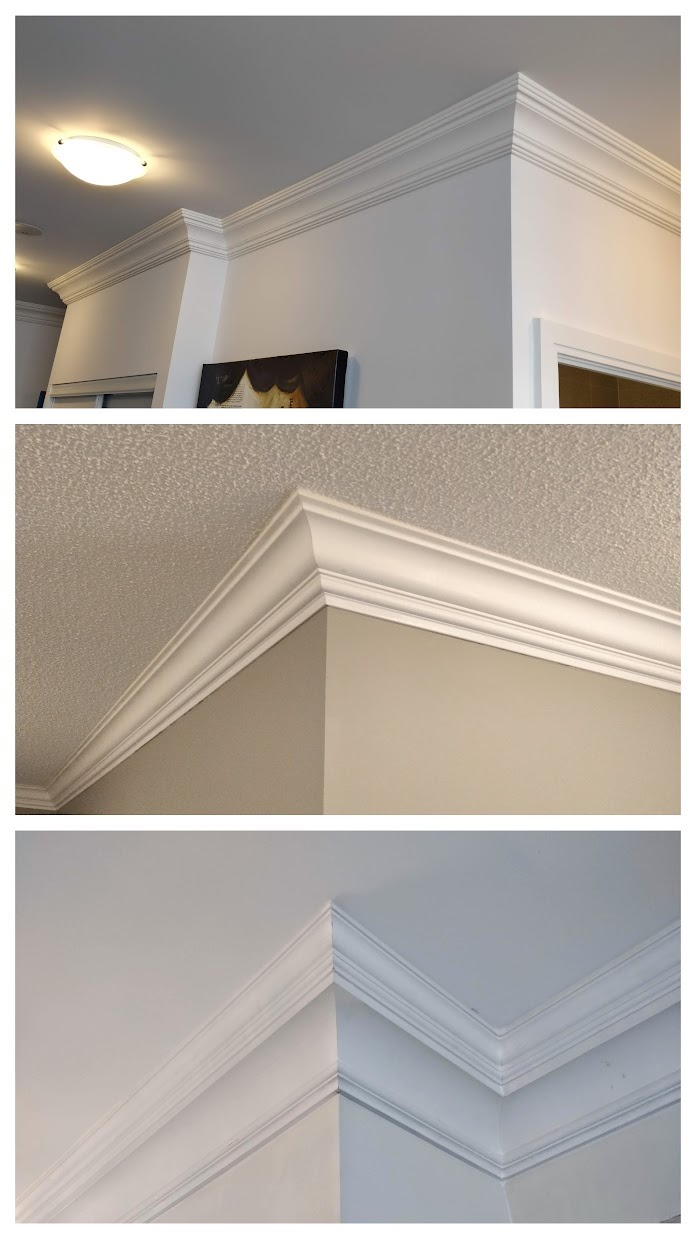
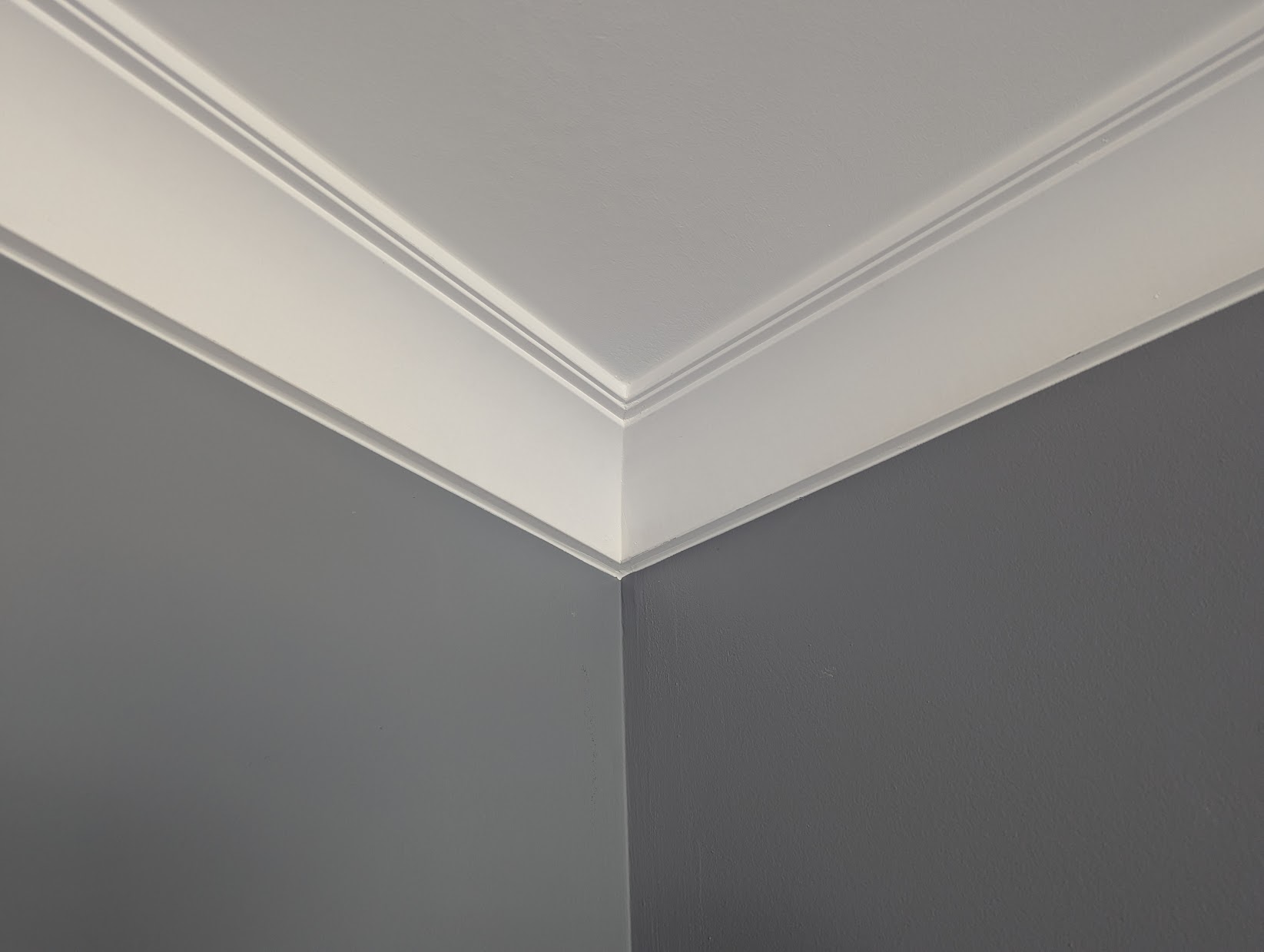
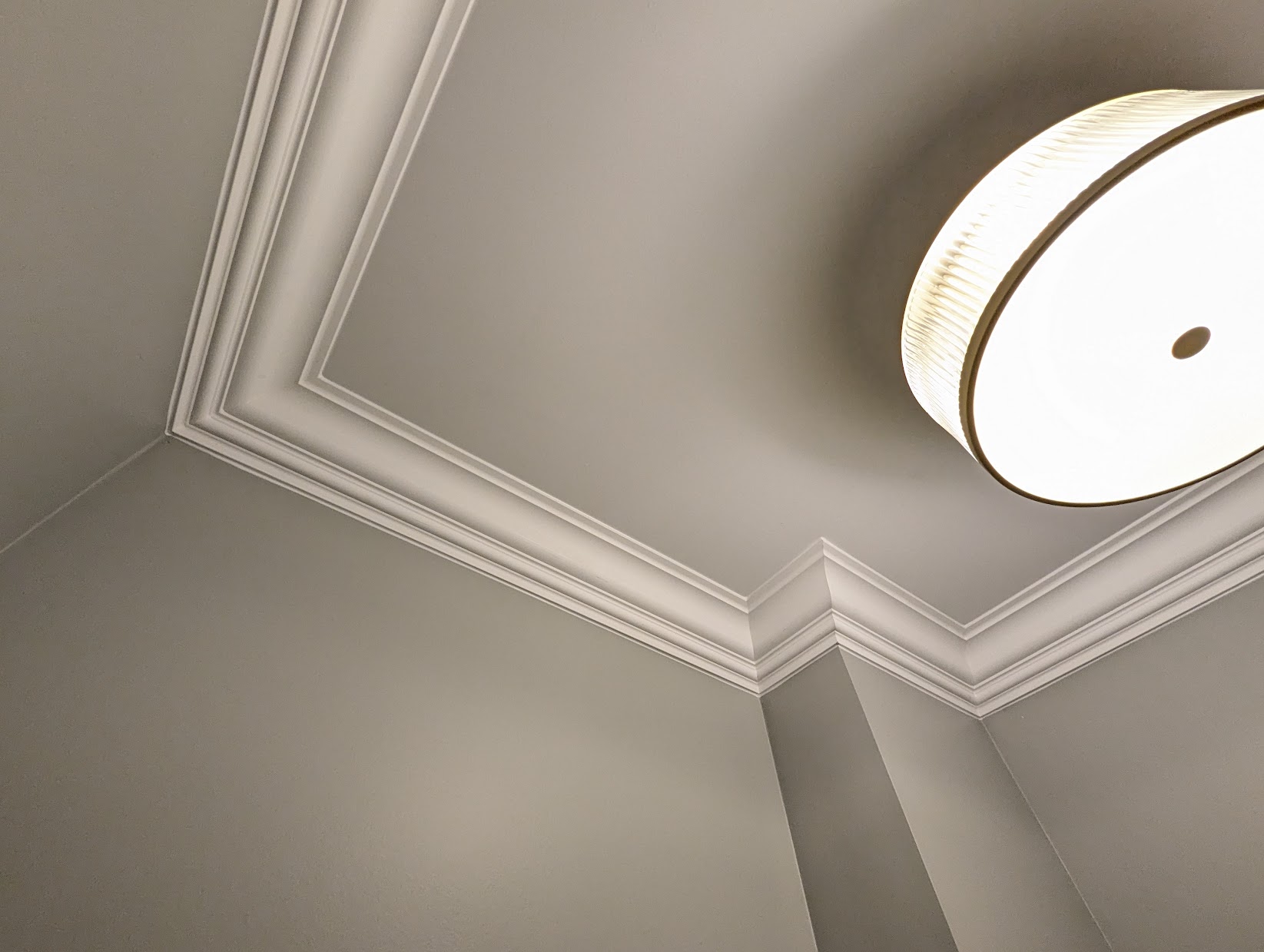
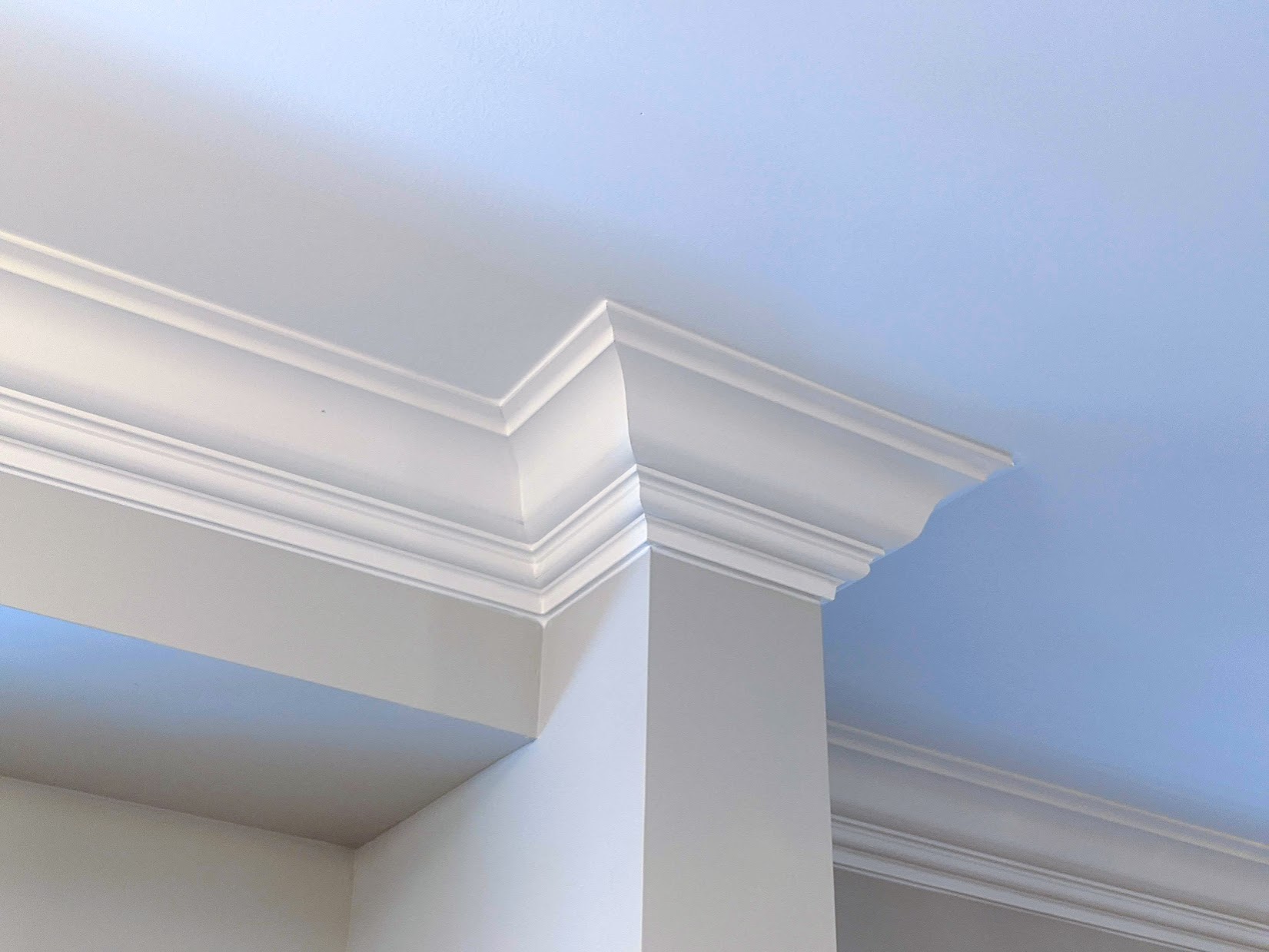
Crown moulding (also spelled crown molding) finishes the wall-to-ceiling transition and instantly makes rooms feel taller and more refined. In Toronto, Vaughan, Richmond Hill, and Markham, homeowners love it for hiding minor ceiling irregularities and boosting resale value. We help you choose the right profiles and professionally install them to suit modern or classic interiors.
MDF vs. wood vs. polyurethane — what should I choose for my home?+
MDF is our go-to: it paints smoothly, stays stable, and offers the best value, so it's what we install on most projects. Solid wood is available on request, usually when a stained finish is wanted. We don't recommend polyurethane — it's difficult to finish to a professional standard, and it tends to shrink over time with no clean way to prevent it.
What size crown moulding should I use for 8–10 ft ceilings in houses and condos?+
As a quick guide: 8 ft ceilings often suit 4–5.5″, 9 ft suit 5–7″, and 10 ft or higher can handle 7–9″ or built-up crowns. We size to room scale, furniture lines, and your desired look so the crown feels proportional rather than oversized or too light.
Can crown moulding be installed in condominiums with concrete ceilings and building rules?+
Yes, and we do it without drilling into your concrete ceiling at all. We secure wood blocking to the wall, reinforced with nails and adhesive, and the crown fastens to that, so nothing penetrates the structural ceiling. Our crew also works within the building's access hours and noise limits to keep management happy.
What cities of the GTA do you install in?+
We cover the full GTA: Toronto, Etobicoke, Scarborough, Vaughan, Woodbridge, Richmond Hill, Markham, Newmarket, Aurora, Ajax, and Pickering. After more than 20 years across the region, we know just about every neighbourhood — there's a good chance we've already worked on a home near yours.
My ceilings are a bit wavy — will the crown still look straight and clean after installation?+
Yes — crown moulding actually hides an uneven ceiling rather than highlighting it. Because the moulding follows the line of your ceiling, a slightly wavy or settled ceiling never looks worse with crown; in almost every case it looks noticeably better, since the moulding softens the wall-to-ceiling transition and draws the eye away from the unevenness.
Will crown moulding work with textured ceilings, bulkheads, and uneven corners?+
Yes — we install over textured and popcorn ceilings all the time. Because the crown is nailed in place, there's no need to scrape the textured ceiling first, which avoids unnecessary mess. We then caulk the joint where the crown meets the ceiling for a clean, seamless finish, and we route the moulding cleanly around bulkheads and transitions.
Is MDF crown okay for kitchens and bathrooms given GTA humidity and seasonal changes?+
Yes — it holds up very well, especially in bathrooms. Primed MDF is actually denser and more stable than the particle board and drywall already in the room, so if moisture is ever a problem, your cabinets and walls will show it long before the moulding does. The one requirement is paint: in a bathroom or other high-moisture space, every surface — walls, ceiling, and the moulding — should be finished with a moisture-resistant bathroom paint to seal it properly.
How long does a crown moulding project take — can a whole house be done in one day?+
Yes, in most cases. A whole-house crown installation is typically a single day's work for our crew — we're a four-person team that's been doing this for over 20 years, so we move quickly without cutting corners. Only unusually large or complex projects run beyond a day, and we'll tell you up front if yours is one of them.
Do you fill nail holes and caulk edges so the crown is ready for paint immediately?+
Yes. We fill nail holes, treat seams, and caulk necessary edges so your crown is primed white and truly paint-ready. That means your painter can move straight to colour, saving time and giving you a cleaner, more professional end result across Toronto and the GTA.
Should crown moulding be painted before or after installation for the best finish?+
After. We install the primed moulding, fill the nail holes, and caulk the seams, which leaves it paint-ready with the joints hidden. From there your painter applies the finish coat in whatever colour you choose.
What crown moulding styles do you offer in Toronto and the GTA?+
Our selection keeps up with the current styles and profiles in Toronto homes, from clean, modern lines to classic, traditional looks. Whatever direction your home leans, we'll help you choose a profile that complements your casings and baseboards.
Can crown moulding be combined with LED cove lighting or waffle and coffered ceilings?+
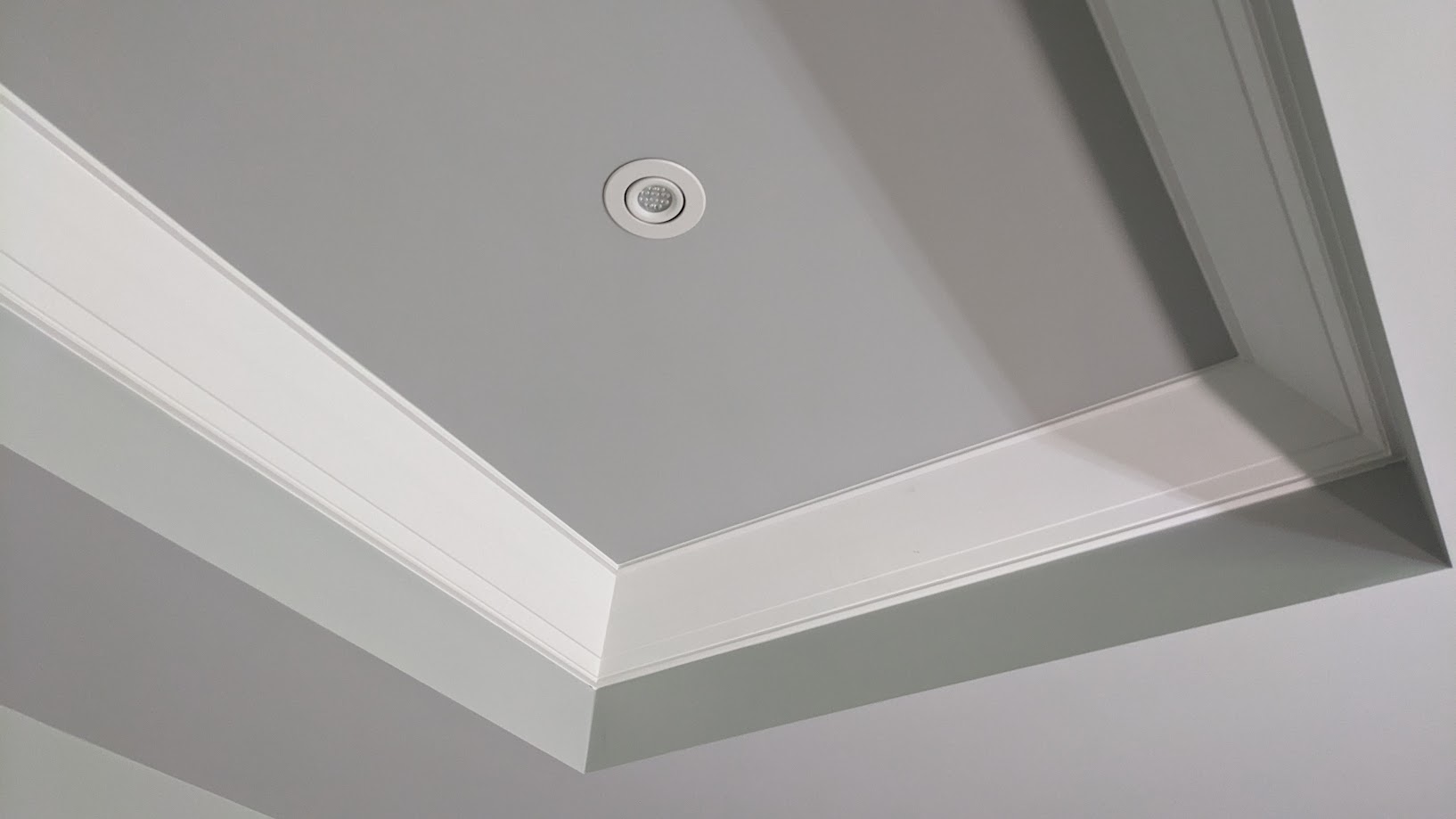
Yes. We build the crown and cove detail to house LED strip lighting for a soft, indirect glow, and we pair crown with waffle and coffered ceilings for a layered ceiling. For the lighting itself, we handle the carpentry and prep and coordinate with your electrician, who makes the electrical connections — so the whole detail comes together cleanly.
How do you price crown moulding — is it by the linear foot?+
Yes — we price crown moulding by the linear foot, which keeps quotes clear and easy to compare room by room. In Toronto and the GTA, expect roughly $7 to $15 per linear foot installed, depending on the profile you choose and the complexity of the job (number of corners, build-up layers, and any special conditions). We give you a room-by-room quote with a total linear-foot summary up front, so there are no surprises. Contact us for a free measure and detailed estimate.
What prep should I do before your crew arrives at my Toronto or Vaughan home?+
Please clear the room perimeter, move small items and artwork, and confirm access/parking (especially in condos). We protect floors, work neatly, and tidy up at the end. Our setup is optimized for same-day completion in most homes across the GTA.
Will crown moulding interfere with sprinklers, detectors, or smoke alarms in condos or houses?+
Not when it's sized right. Where a sprinkler head, detector, or alarm sits close to the ceiling line, we simply choose a crown profile sized to stay clear of it, so the moulding goes in cleanly without getting in the way.
Can you match the existing crown profiles in an older home?+
Usually, yes. Many of the profiles we install today have been industry staples for over 20 years, so the crown in most older homes is a straightforward match. If a profile has been discontinued, we'll find the closest equivalent so the new work blends in with what's already there.
How do I maintain painted MDF crown moulding through GTA seasons and humidity swings?+
Painted MDF crown moulding is essentially maintenance-free. Our joinery techniques keep the corners tight even through dry spells, but the one thing worth doing in our GTA climate is keeping indoor humidity around 30–40% during the winter heating months — very dry winter air is hard on any trim over time. A simple humidifier on your furnace or a portable unit handles it. Keeping humidity in that range is also a condition of the warranty, so it's worth maintaining.
Do you coordinate crown moulding with door casings, baseboards, and wainscoting for a cohesive look?+
Yes. We install full trim packages so the crown, casings, baseboards, and wainscoting all work together — and if you already have trim in place, we'll help you select a crown profile that matches what's there. That coordinated, finished-home look is what clients in Toronto, Vaughan, Richmond Hill, Markham, and Newmarket ask us for most often.
What warranty do you provide on crown moulding installation across Toronto & the GTA?+
We back materials and workmanship with a lifetime warranty. If anything we installed needs attention, we'll make it right. Our reputation in Richmond Hill, Aurora, Ajax, Pickering, and the rest of the GTA is built on clean work and standing behind it.
Why do the cracks in my ceiling corners keep coming back, and can crown moulding fix them permanently?+
Yes, crown moulding is the permanent fix for recurring corner cracks. Those cracks, which usually appear in winter where the ceiling meets the wall, are caused by truss uplift: the roof trusses flex with seasonal humidity changes and tear the drywall tape in the corner. Re-taping only lasts until the next season because the movement returns. Crown moulding spans the joint and floats with that seasonal shift, hiding the crack for good, which is why it is a standard solution in homes across Toronto and the GTA that deal with truss uplift.
Can crown moulding hide an untaped drywall joint, a wire, or a pipe along my ceiling?+
Yes. Crown moulding is an effective cover for a wall-to-ceiling drywall seam you would rather not tape and finish, and it can conceal a surface-run wire or pipe that could not be buried inside the wall. Rather than an exposed seam or conduit, you get a clean, finished architectural detail, which is a common use in basement finishes, additions, and condo retrofits.
How do you keep the joints from splitting or opening up over time?+
We reinforce every joint mechanically and with adhesive: corners are locked and glued, and seams are bonded with CA (cyanoacrylate) glue to prevent the splitting you see on rushed installs. We also recommend keeping indoor humidity around 35% through the winter heating season, since dry air shrinks any moulding material. Together these keep the joints tight for the long term.